


powertoolsuk7849
About powertoolsuk7849
The Most Hilarious Complaints We’ve Heard About Powertools
The Comprehensive Guide to Power Tools: Understanding Their Types, Uses, and Maintenance
Power tools are essential in the modern-day workshop, making it possible for tasks that would otherwise be laborious and time-consuming when carried out with hand tools. Varying from fundamental drills to complex woodworking machines, power tools offer effectiveness and accuracy that can drastically change the way professionals and enthusiasts approach their jobs. This article checks out the numerous kinds of power tools, their applications, upkeep suggestions, and frequently asked questions.
Types of Power Tools
Power tools are generally categorized into 2 main groups: cordless and corded. Each type has its benefits and perfect usages.
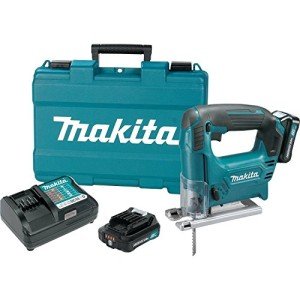
1. Cordless Power Tools
Cordless tools operate on rechargeable batteries, offering higher movement and ease of usage. Some common types consist of:
- Cordless Drill/Driver: Essential for drilling holes and driving screws, a cordless drill is a must-have in any toolbox.
- Cordless Circular Saw: Ideal for cutting lumber and other materials, particularly when mobility is needed.
- Cordless Jigsaw: Useful for making complex cuts and curves in various products.
- Cordless Impact Driver: Perfect for driving long screws and fasteners into tough products rapidly.
2. Corded Power Tools
While corded tools may be less portable, they usually offer more power and are frequently utilized for heavier-duty tasks. Secret examples consist of:
- Table Saw: A fixed tool that uses accuracy cutting for woodworking jobs.
- Miter Saw: Used for making accurate crosscuts and miters in a workpiece.
- Angle Grinder: Useful for cutting or grinding metal and concrete.
- Drill Press: A stationary drill that allows for attaining greater precision in drilling holes.
Contrast Table of Cordless and Corded Power Tools
| Feature | Cordless Power Tools | Corded Power Tools |
|---|---|---|
| Mobility | High | Restricted by power cable |
| Power | Less powerful | More powerful |
| Weight | Lighter due to absence of cord | Heavier due to motor and cable |
| Battery Life | Restricted by battery life | Continuous power supply |
| Cost | Normally more pricey | Generally more inexpensive |
Applications of Power Tools
Power tools are utilized across various industries and activities. Understanding the ideal tool for the task can improve performance and outcomes. Some typical applications consist of:
- Construction Projects: Drills, saws, and nailers dominate job sites for framing and roof.
- Woodworking: Routers, sanders, and jointers help in creating elaborate and polished wooden pieces.
- Automotive Repair: Impact wrenches and air compressors are vital for dealing with vehicles.
- Home Improvement: DIY lovers make use of different tools for remodellings, repair work, and landscaping jobs.
Popular Power Tools and Their Uses
Here are some frequently used power tools in addition to their primary applications:
-
Power Drill:
- Used for drilling holes and fastening screws.
- Comes in various sizes for various applications.
-
Reciprocating Saw:
- Ideal for demolition work and cutting through materials like wood, metal, and drywall.
-
Sander:
- Used for smoothing surface areas, readily available in numerous types such as orbital and belt sanders.
-
Router:
- Employed in woodworking for burrowing a location in a piece of wood.
-
Nail Gun:
- A fast and efficient tool for driving nails into wood and other materials.
Upkeep Tips for Power Tools
Keeping power tools in optimal condition is vital for security and performance. Here are some maintenance pointers:
-
Regular Cleaning: Dust and debris can collect in power tools. Routine cleansing assists preserve performance and extends tool life.
-
Inspect Connections and Cords: Regularly inspect for fraying or damage to cords and connections. Replace any damaged parts immediately to prevent mishaps.
-
Hone Blades and Bits: Dull blades can decrease performance and precision. Regular honing guarantees tidy cuts and faster operation.
-
Lubrication: Certain tools need routine lubrication. Consult the user manual for specific recommendations.
-
Storage: Store tools deals uk in a dry environment and in their cases if readily available. This safeguards them from moisture and accidental damage.

Regularly Asked Questions (FAQs)
1. What security equipment should be worn when using power tools?
- It is vital to use appropriate security gear such as security glasses, hearing security, gloves, and a dust mask depending on the tool in usage.
2. How do I choose the ideal power tool for a task?
- Think about the particular jobs you require to accomplish, the product you’ll be working with, and the tool’s power capability. Looking into tools suited for those jobs will aid in making the ideal option.
3. Are cordless tools as great as corded tools?
- Cordless tools offer convenience and portability, while corded tools supply more power for heavier jobs. Pick based upon your particular requirements.
4. How frequently should power tools be preserved?
- Routine upkeep must be performed routinely, ideally after every usage. Comprehensive examinations and servicing need to be done a minimum of once a year.
5. What is the life-span of a typical power tool?
- The lifespan of power tools varies commonly depending on use and quality but typically ranges from 5 to 15 years.
Power tools are valuable assets for both specialists and DIY enthusiasts, using performance and precision unlike any hand tool. Understanding the various types, applications, and maintenance procedures is crucial for optimizing their possible and ensuring security. With correct care and knowledge, these tools can serve users efficiently for numerous years, eventually improving productivity and job results. By buying quality tools and sticking to upkeep rituals, one can make the most out of every job, regardless of size or intricacy.
No listing found.